Geographies of erasure and silencing
“The same goes for the REDACTED article, which explicitly centres Achille Mbembe in its call for revising ethnography. That said, I am not blind to the irony of centring a senior scholar like Mbembe while simultaneously silencing (with all due respect) a more junior academic like you. Nothing personal…’’
This is the response that I received in June 2020 when I asked a white, UK-based academic, why they were refusing to acknowledge my published works. Put simply, the academic in question was using the same methods, theories, and empirical context as me, to examine a topic I had been researching for over a decade at that point. Yet their published work never cited or acknowledged my scholarship.
Notably, the academic in question had been very vocal on social media and in their academic writing about the need to ‘decolonise’ the academy and proclaiming that #Blacklivesmatter. A form of posturing that connects to wider concerns regarding ‘decolonial bandwagonism’ in academia’.
In short, I did take the situation personally and contacted the journals involved. It took almost 18 months, but the academic in question was found to have engaged in ‘unethical citational practices’ and their papers were corrected and retracted.
This case is not an isolated incident. It is illustrative of behaviours and practices within the academy that serve to erase and silence Black scholar(ship), especially by Black women. Furthermore, the fact that the papers were corrected and retracted does not address the praxis and structures that enabled them to be published in the first place.
In collaboration with Tinaye Makuyana, Esther-Rennae Walker, Buksi Osundina, Amina Pagliari and the Royal Geographical Society with the IBG, we submitted a successful funding application to the Antipode Foundation’s Right to the Discipline scheme.
One of the project’s main objectives was to explain and illustrate the erasure and silencing of Black thought and scholarship for a diverse audience through a range of mediums. The outcomes in response to this objective are presented below in the Digital Reclamation Archive. These creative works are part of a broader project exploring the erasure and silencing of Black scholarship in academia.
Alongside the artistic outputs, the project draws on insights from interviews with academics, as well as focus groups with journal editors and publishers. Together, these components aim to raise awareness, advance understanding, and contribute to the development of more ethical and inclusive academic practices.

Digital reclamation archive

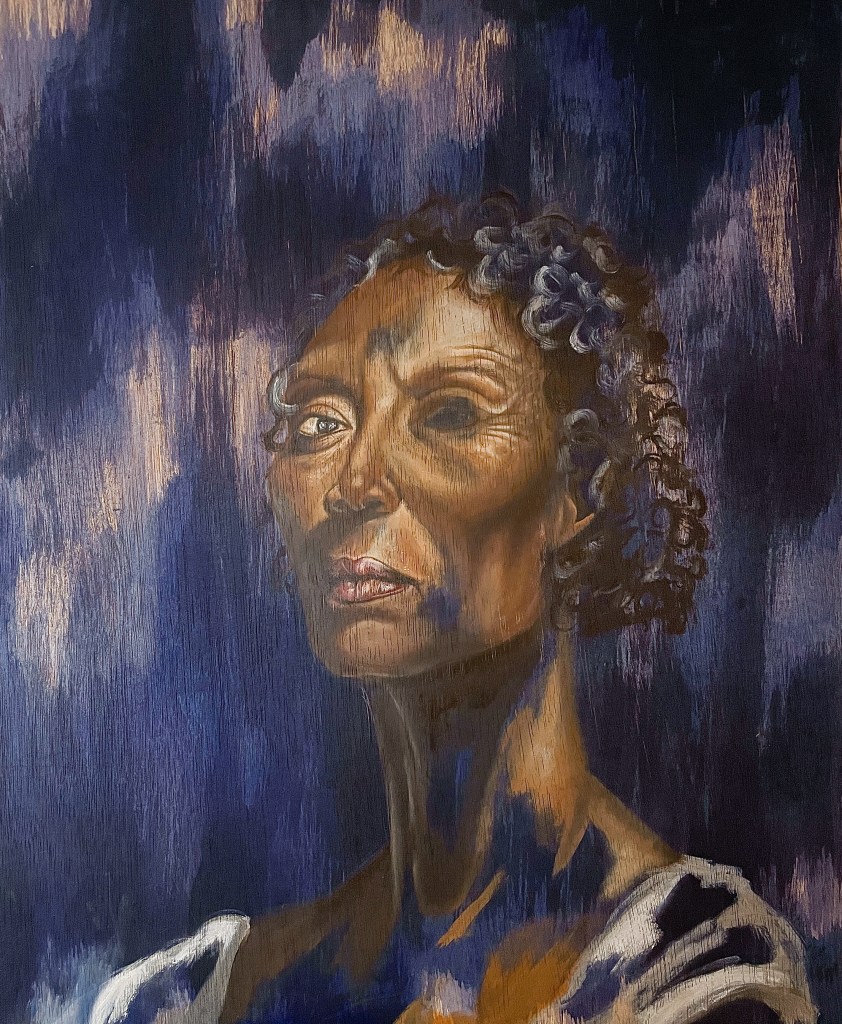

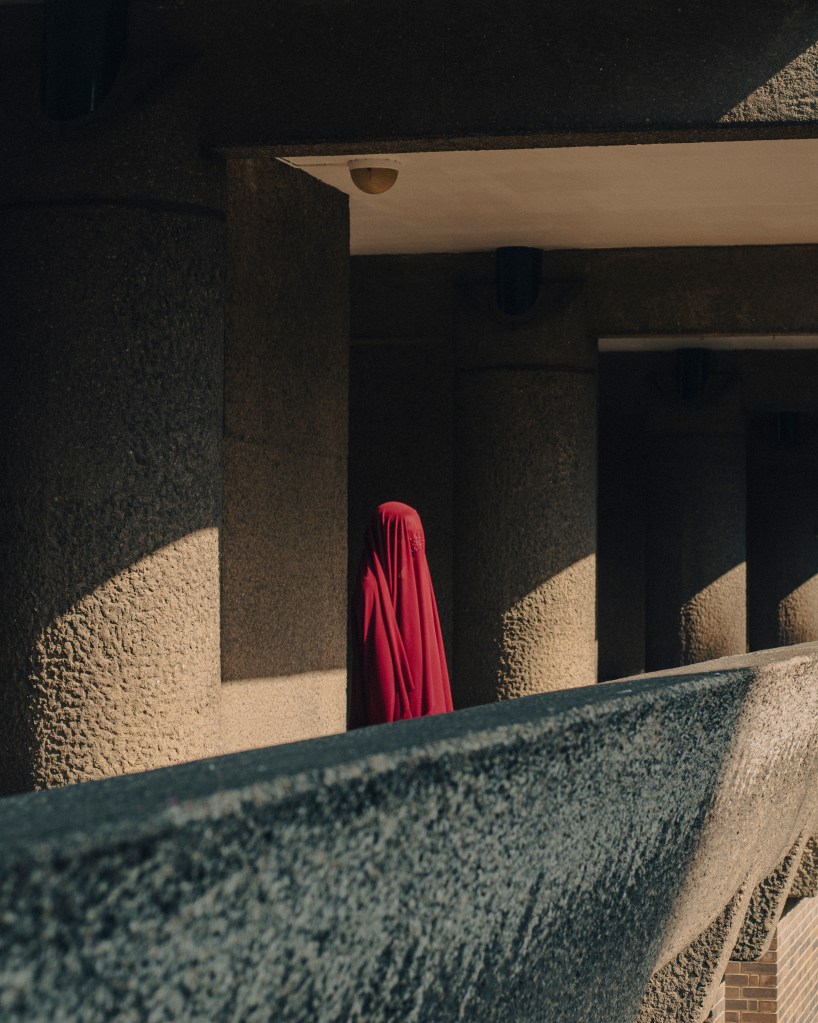
These works are supported by a Right to the Discipline grant from the Antipode Foundation
 James Esson